
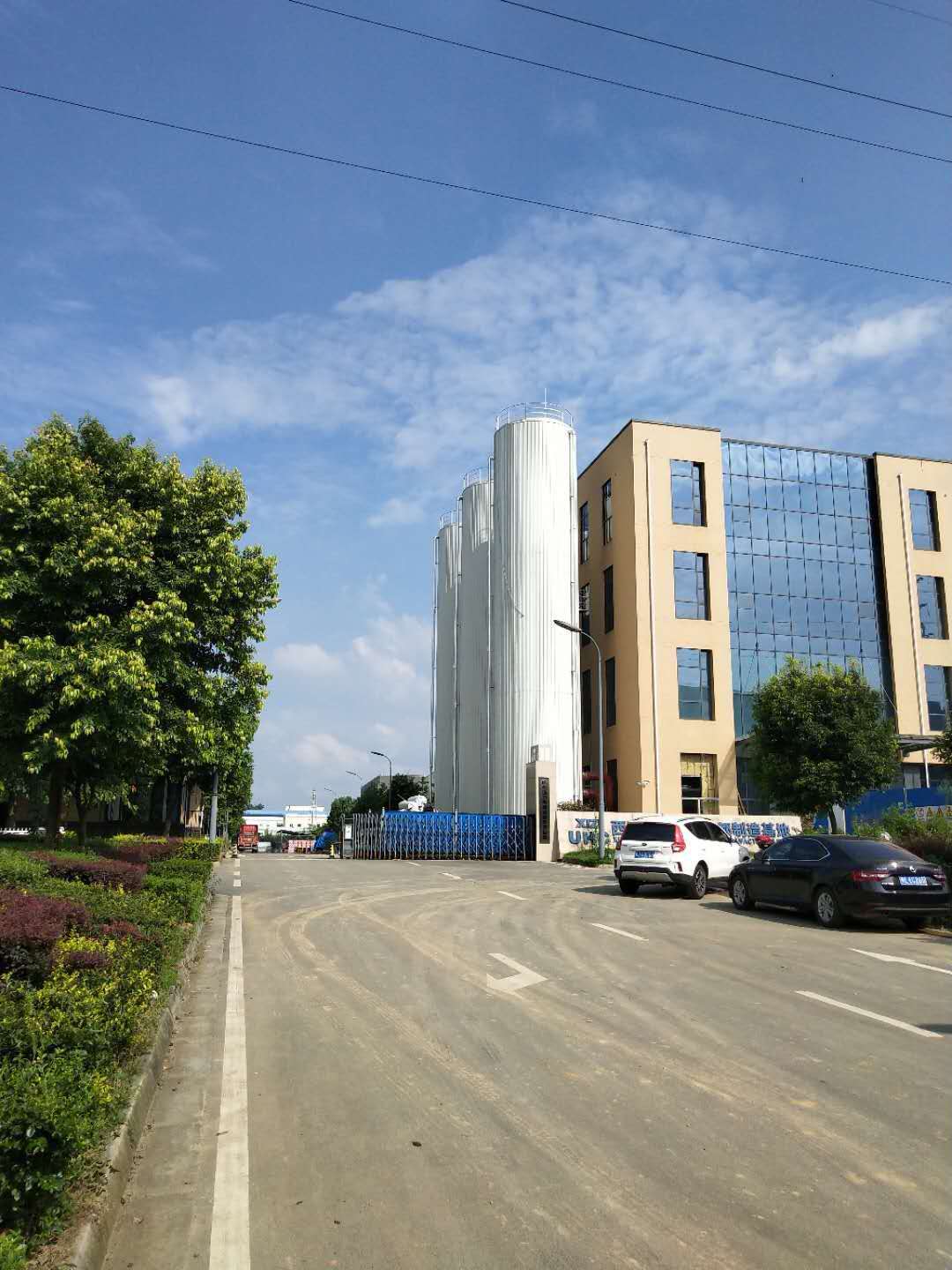
Product Overview
The Open Type Cold Storage Tank is an energy storage device for cold energy storage. During off-peak load periods, it uses chillers to generate and store cold energy in the tank, releasing it during peak load periods for the air conditioning system. The equipment uses high-quality insulation materials and anti-corrosion linings to effectively reduce cold energy loss. It is widely used in large commercial buildings, data centers, and district cooling systems.
Working Principle
The Open Type Cold Storage Tank stores cold energy using the sensible heat of water or the latent heat of phase change materials. Water chilled storage systems utilize the density difference between 4°C low-temperature water and higher-temperature return water to achieve natural stratification, with cold water sinking to the bottom and warm water floating to the top, forming a thermocline in between. During charging, the chiller inputs low-temperature water at the tank bottom; during discharging, low-temperature water is extracted from the bottom for the air conditioning system.
Technical Features
- Peak shaving and valley filling, shifting air conditioning electricity peak, reducing operating costs
- Utilizes time-of-use electricity pricing, significantly reducing air conditioning operating costs
- Reduces chiller installed capacity, lowering initial investment
- Natural stratification storage, high heat exchange efficiency, cold energy utilization rate over 90%
- Excellent insulation, daily cold energy loss less than 1%
- Reliable structure, simple operation and maintenance, long service life
Applications
- Central air conditioning systems for large commercial complexes and office buildings
- Data center cooling systems
- District cooling systems (DHC)
- Industrial process cooling systems
- Air conditioning systems for hospitals and airports
- Air conditioning systems for stadiums and exhibition centers
Selection Guide
When selecting the Open Type Cold Storage Tank, determine the storage capacity based on the air conditioning system's hourly cooling load curve and operating strategy. Open tanks are suitable for atmospheric pressure systems, while closed pressure tanks are for pressurized systems. Tank material selection depends on water quality and environment. Insulation thickness should be calculated based on local climate and operating temperature difference. Diffuser design is critical, directly affecting stratification and storage efficiency.
Related Products
Explore more Open Type Cold Storage Tank series products: