
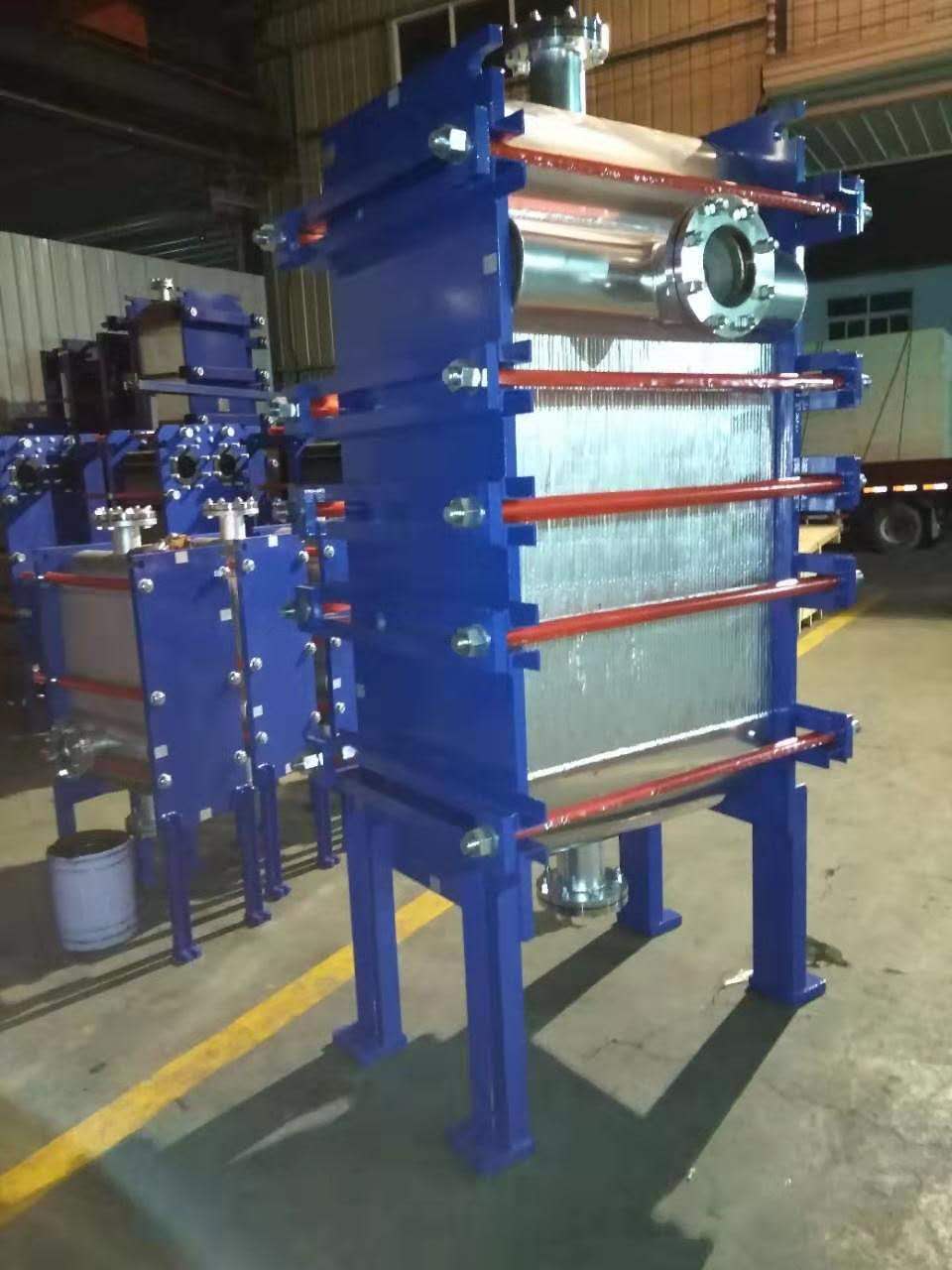
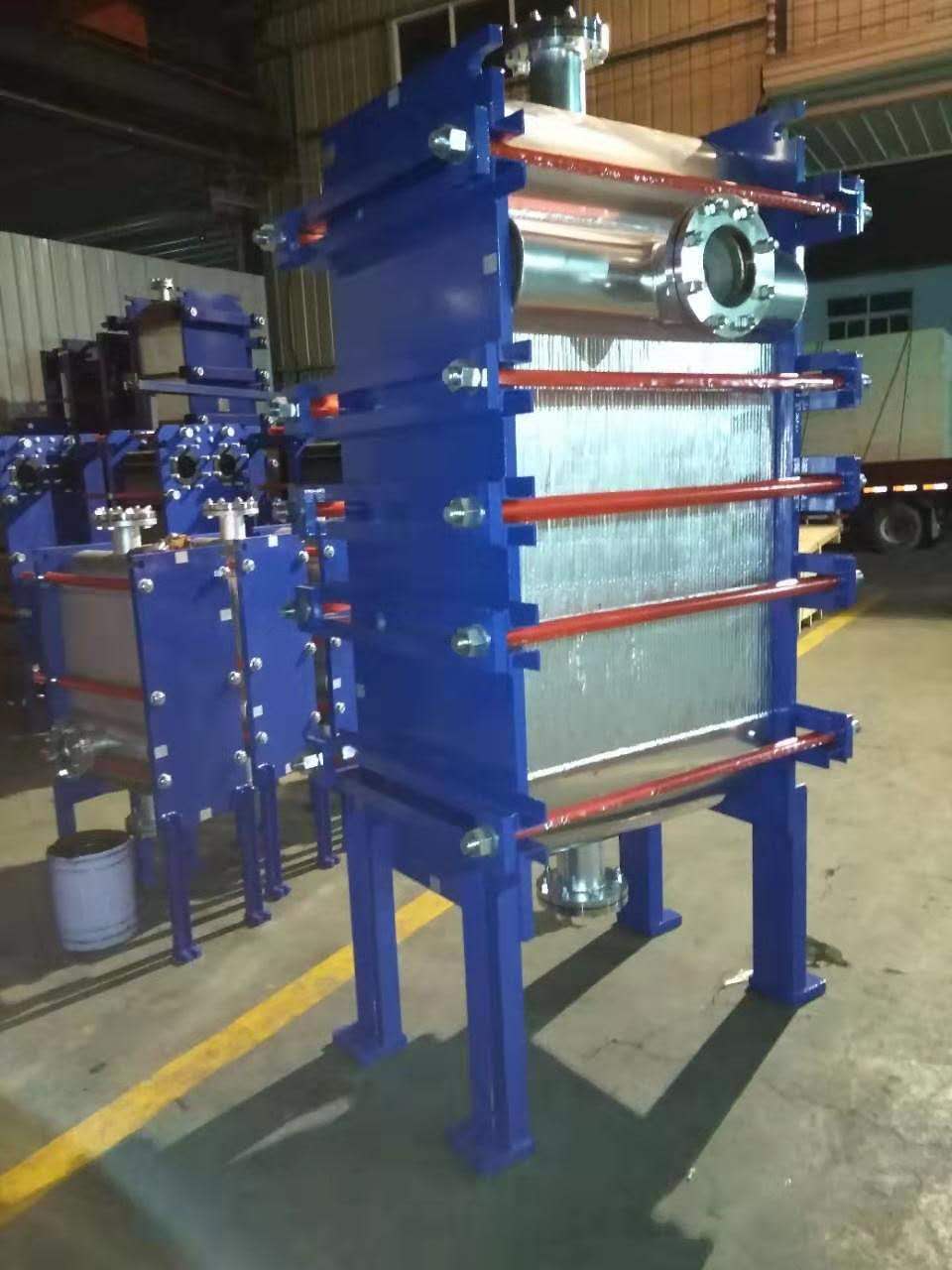
Several anti-corrosion methods have been proposed for the corrosion of plate heat exchangers, including corrosion inhibitors and electrochemical protection.
1. Corrosion inhibitor
; Corrosion inhibitors with chromate as the main component are commonly used in cooling water systems. Chromate ions are an anodic inhibitor. When used in conjunction with cathodic corrosion inhibitors, it can achieve satisfactory and economical anti-corrosion effects.
Chromate zinc polyphosphate: Polyphosphate is used because it has the function of cleaning metal surfaces and the ability to inhibit corrosion. Polyphosphate can be partially converted into orthophosphate, and they can also form large colloidal cations with calcium.
Zinc chromate phosphonate: This method uses sodium phosphonate instead of polyphosphate. Similar to the previous method, aminomethylene phosphate can also be used in situations where the pH value is higher than the pH value specified for polyphosphates. Aminomethylphosphonates can be scale free and can control the precipitation of calcium salts even at a pH of 9.
Zinc chromate hydrolyzed polyacrylamide: Due to the dispersibility of cationic copolymer hydrolyzed polyacrylamide, scale cannot form dirt.
2. Electrochemical protection
; Adopt cathodic protection and anodic protection. Cathodic protection is the use of an external DC power source to turn the metal surface into a cathode, achieving the purpose of protection. This method consumes a lot of electricity and is costly. Anodic protection is the process of connecting the protected plate heat exchanger to the anode of an external power source, creating a passivation film on the metal surface to obtain protection.